
What Is a Warehouse? Meaning and Definition
Warehouse meaning explained: what a warehouse is, the types of warehousing, how they move freight, and why a Kent Valley facility gives Puget Sound shippers an edge.
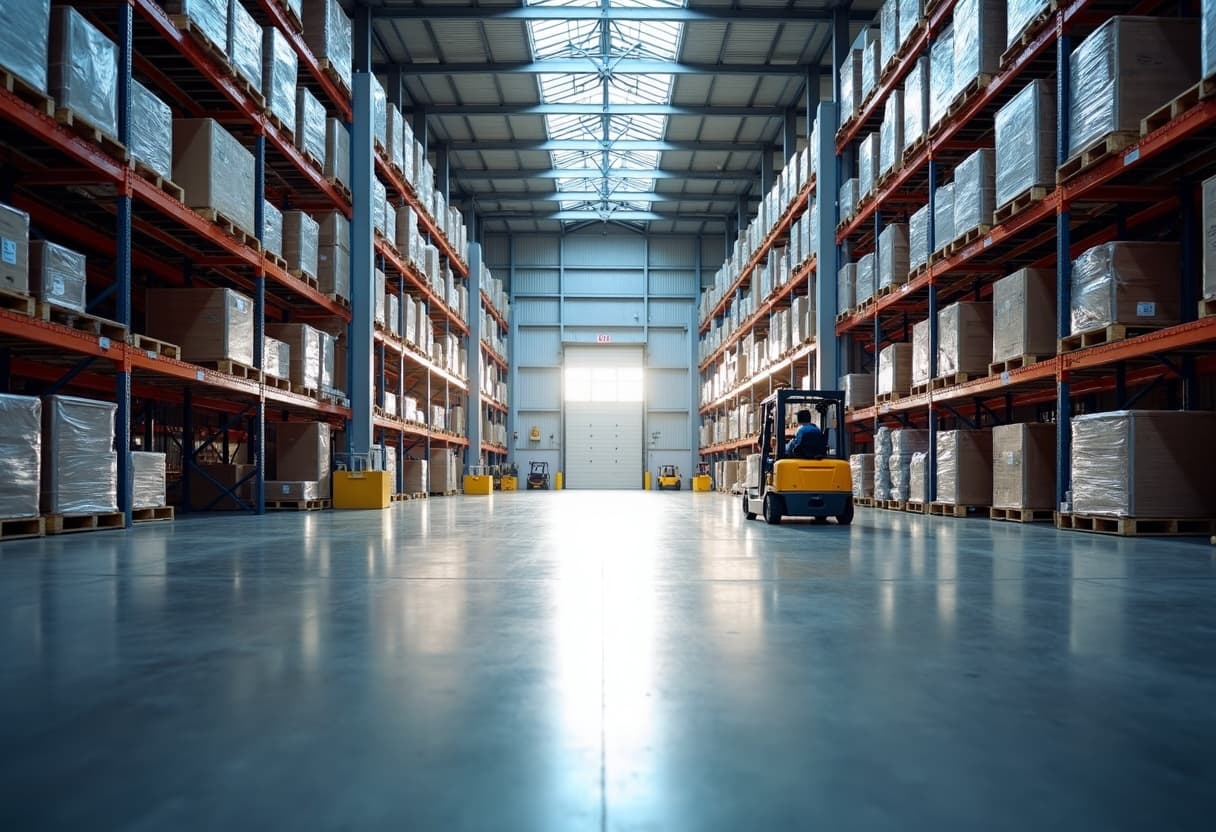
When freight pros talk about a "warehouse," they mean something narrower than the everyday sense of a big building full of stuff. The warehouse meaning that matters in logistics is a commercial facility designed to keep cargo moving — storing goods briefly between import and outbound delivery while adding hands-on services that move product closer to its next destination. This guide breaks down what a warehouse actually is, the types that exist, and why the location of the warehouse shapes your freight cost in ways that are easy to underestimate.
The warehouse meaning in freight logistics
A warehouse, in its logistics sense, is a building where goods are received, stored, sorted, and shipped back out — usually on a timeline measured in days or weeks rather than years. Unlike self-storage, which charges you for square footage and leaves your cargo alone, a working warehouse is an active node in a supply chain. Cargo arrives by ocean container, domestic trailer, or rail, sits in a secured stall or racked bin, and leaves again on a different vehicle headed for a retailer, a manufacturer, or a final customer. The value the warehouse adds is not just the space — it is the labor and equipment that transloads cargo between container types, consolidates LCL shipments, cross-docks pallets from inbound to outbound trucks, and tracks inventory so a shipper always knows where their freight is.
Warehouse vs storage vs distribution center
People use these words interchangeably, but in freight they mean different things. Storage is passive: you rent cubic feet and your cargo sits. Warehousing is active: cargo moves through with value-added handling, and dwell time is short. A distribution center is a warehouse optimized for speed — built to receive bulk shipments and break them into smaller outbound orders as fast as possible, often with automation and conveyor systems. For most importers moving cargo through the Puget Sound, a 3PL warehouse that blends storage with transloading and cross-docking is the right fit — it behaves like a distribution center when you need speed and like a storage warehouse when you need dwell time. Our breakdown of warehouse logistics explained covers how these services fit together in a single facility.
The main types of warehouses
Different cargo needs different buildings. The common types:
- General storage warehouses — secure space for goods that need to sit before their next move, billed per pallet per month.
- Distribution centers — high-throughput facilities built to turn inventory quickly, often with conveyor systems and pick-and-pack labor.
- Bonded warehouses — licensed to hold imported goods until customs duties are paid, useful for importers managing cash flow.
- Cold storage warehouses — temperature-controlled for food, pharma, and other perishables.
- 3PL warehouses — third-party facilities that combine storage with transloading, cross-docking, CFS services, and fulfillment under one roof.
A shipper moving ocean containers through the Kent Valley usually wants a 3PL warehouse, because the same building that stores cargo can also strip a 40-foot container, palletize the contents, and load them onto a domestic trailer bound for a regional DC. Our warehousing and fulfillment guide walks through how that combined service is priced.
Why warehouse location changes your cost
The single most underweighted factor in warehousing cost is drayage distance — how far a truck hauls a container from the port to the warehouse and back. A warehouse five miles from the Port of Tacoma turns containers faster and cheaper than one thirty miles away, because every saved drayage mile is a saved fuel and time cost on every single container. The Kent Valley is positioned between the Port of Seattle, the Port of Tacoma, and the BNSF and UP rail intermodal ramps, so a facility there can pull from either port on short runs and hand off to domestic carriers the same day. That geography is why so many importers stage cargo in Sumner, Kent, and Auburn instead of in a cheaper but more remote warehouse far from the ports. If you are evaluating a Kent Valley warehouse, the drayage math should be the first number you check.
What to look for in a logistics warehouse
Once the location is right, the building has to actually handle your cargo. A few things separate a warehouse that helps you from one that just holds your freight hostage:
- Security and certifications — a CTPAT-secured facility clears customs faster and signals a serious operation.
- Transloading capability — can the building strip an ocean container and load a domestic trailer on the same dock?
- Cross-docking — direct inbound-to-outbound transfer that skips storage and saves you per-pallet fees.
- CFS services — Container Freight Station capability for consolidating or deconsolidating LCL cargo.
- Visibility — inventory tracking that tells you where your freight is without a phone call.
A warehouse that offers all of these under one roof turns your storage line item into a throughput advantage rather than a holding cost.
The bottom line on warehouse meaning
A warehouse, in the sense that matters to a shipper, is not a place where cargo goes to wait. It is a place where cargo gets handled — transloaded, cross-docked, consolidated, and pushed closer to its destination — with storage as one of the services rather than the whole point. Picking the right warehouse means picking the right location, the right services, and the right certifications, and the Kent Valley checks those boxes for most Puget Sound importers. If you want to see how a single facility handles transloading, cross-docking, and fulfillment together, contact our team with your shipment details and we can quote the combined service same day.
Frequently asked questions
What is the meaning of a warehouse?+
A warehouse is a commercial building used to store goods between production and final delivery. In freight logistics, a warehouse holds inventory, raw materials, or finished products and often adds services like transloading, cross-docking, and order fulfillment so cargo keeps moving rather than sitting idle.
What is the difference between warehousing and storage?+
Storage is passive — goods sit in a space until you need them. Warehousing is active — a logistics warehouse moves cargo through value-added steps like transloading between ocean containers and domestic trailers, cross-docking to outbound trucks, and palletizing, often with inventory tracking and short dwell times measured in days rather than months.
What are the main types of warehouses?+
The main types are general storage warehouses, distribution centers built for fast throughput, bonded warehouses for import cargo held before customs clearance, cold storage for temperature-sensitive goods, and third-party logistics (3PL) facilities that combine storage with transloading, cross-docking, and fulfillment under one roof.
Why does a Kent Valley warehouse matter for Puget Sound shippers?+
The Kent Valley sits between the Port of Seattle, the Port of Tacoma, and the Sound Transit rail network, so a warehouse there can pull ocean containers from either port and hand off to domestic carriers with short drayage distances. Lower drayage mileage means faster turns and lower per-container costs for importers.