
Food-Grade Warehousing Services: Storage for Food Additives and Ingredients
What food-grade warehousing actually requires for storing food additives and ingredients in the Kent Valley — temperature control, allergen segregation, audit trails, and what shippers should expect from a food-grade warehouse partner.
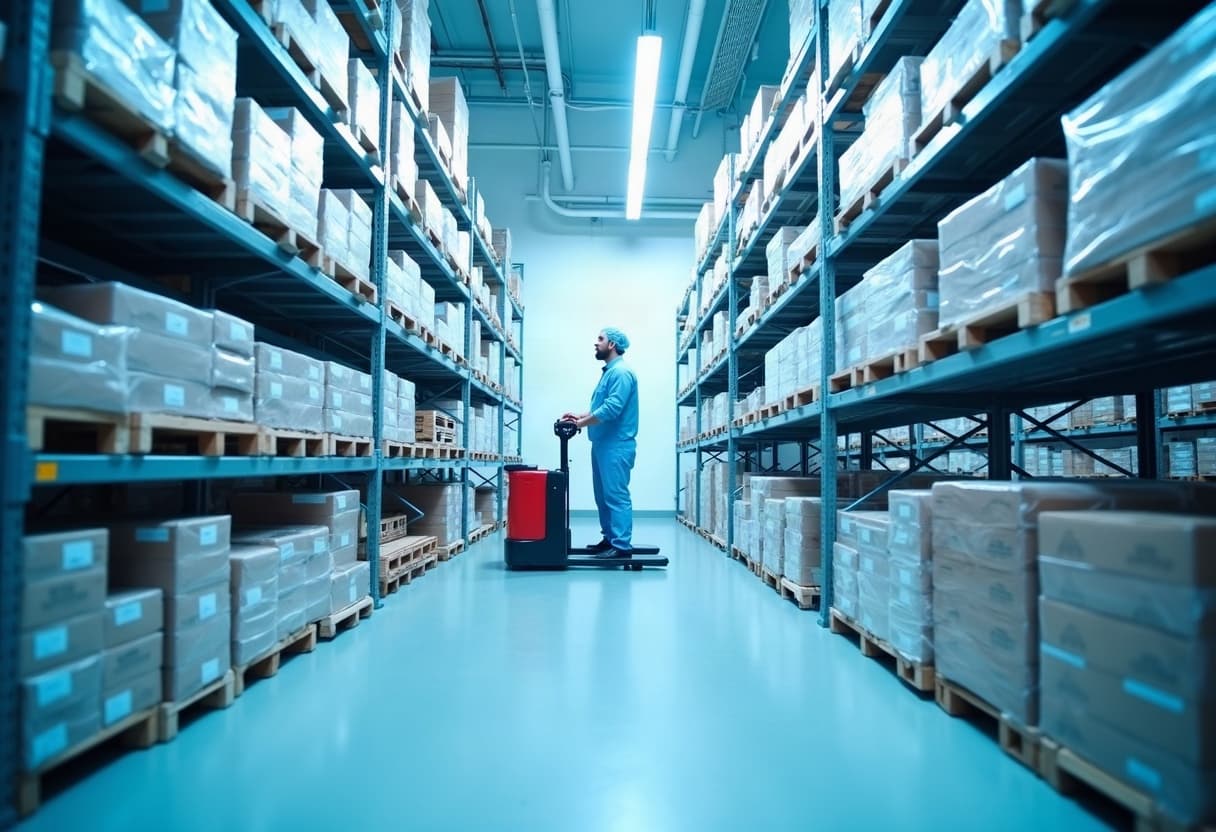
A pallet of food additives looks the same as a pallet of industrial chemicals from the outside — both are shrink-wrapped, both sit on a standard 48-by-40 pallet, both roll through a warehouse door. The difference is what the warehouse has to do with them once they are inside. Food additives, food ingredients, and finished food products cannot share space with non-food freight, cannot sit in a warehouse without temperature control, cannot be handled without documented sanitation, and cannot ship without a traceable chain of custody from receiving to dispatch.
That is what food-grade warehousing is. This post breaks down what food-grade storage actually requires for additives and ingredients in the Kent Valley market — temperature regimes, allergen segregation, audit requirements, and what shippers should expect from a warehouse partner that handles food.
What makes a warehouse food-grade
A food-grade warehouse is not a regular warehouse with a food certificate taped to the wall. It is a warehouse that was built and is operated to keep food safe. The baseline requirements:
- Dedicated food-only storage zones. Food products do not share racks with industrial goods, chemicals, or non-food freight. The physical separation is the first audit failure point if it is missing.
- Documented sanitation schedules. Floors, racks, and handling equipment are cleaned on a written schedule, with cleaning logs that an auditor can pull on demand.
- Integrated pest control. A licensed pest-control operator on a contract, with bait stations, monitors, and a written response plan. Pest evidence in a food zone is an automatic audit failure.
- Temperature control and monitoring. Climate-controlled zones with calibrated thermometers and a record of every temperature excursion. For cold-chain additives, this is the core of the program.
- Traceability from receiving to shipping. Every pallet in the building is tied to a lot, a receipt date, a supplier, and a shipping record. If a recall hits, the warehouse can pull the trail in minutes, not days.
- Trained staff. Warehouse staff in food zones are trained on allergens, cross-contamination, and the cleaning protocols. A food-grade warehouse that has not trained its forklift drivers is not food-grade.
A regular warehouse can be retrofitted to food-grade, but it is expensive. Most food-grade capacity in the Kent Valley was built that way from the start.
Temperature regimes for additives and ingredients
Not every food additive stores the same way. The warehouse has to match the temperature regime to the product:
- Dry storage — 50 to 70 degrees Fahrenheit, low humidity. Most dry additives (salt, sugar, starches, dry flavorings) belong here. The room needs climate stability, not refrigeration.
- Refrigerated storage — 35 to 45 degrees Fahrenheit. Liquid additives, sensitive flavorings, and short-shelf-life ingredients go here.
- Frozen storage — below zero Fahrenheit. Specialty ingredients, some enzymes, and any product with a frozen supply chain.
- Ambient controlled — 60 to 75 degrees with humidity control. Useful for ingredients that degrade in humidity but do not need refrigeration — cocoa, dry milk powders, some spice blends.
The mistake shippers make is assuming "temperature controlled" means one thing. A warehouse with a single climate-controlled zone cannot store dry additives alongside refrigerated ones without risking product loss. A real food-grade warehouse has multiple zones, each monitored separately, each with its own excursion log.
Allergen segregation
Allergen handling is where food-grade warehousing gets technical. The eight major allergens under FDA labeling — milk, eggs, fish, shellfish, tree nuts, peanuts, wheat, soybeans — plus sesame as of 2023 each need their own segregation plan. The standard practices:
- Physical separation of allergen-containing pallets from non-allergen inventory, in different rack zones or different aisles.
- Dedicated handling equipment where the volume justifies it — a separate pallet jack for peanut-containing product, separate totes for dairy.
- Documented cleaning between allergen and non-allergen runs, with cleaning logs that name the allergen, the time, and the staff member.
- Labeling at the pallet level so warehouse staff can see at a glance what allergens are on a pallet before they move it.
- Inventory records that track which pallets touched which allergens, so a recall can be traced through the warehouse rather than just from the supplier.
A warehouse that stores allergens next to non-allergen product without segregation is not food-grade — it is a warehouse that happens to have food in it. The audit will catch the difference.
What a food-grade warehouse in Kent, WA needs to pass
The Washington food storage market is regulated by the FDA under the Food Safety Modernization Act, the Washington State Department of Agriculture, and — for warehouses serving national brands — a GFSI-recognized third-party certification. The standard certifications:
- SQF (Safe Quality Food) — common in ingredient storage, recognized by most major food brands.
- BRCGS (Brand Reputation through Compliance Global Standards) — heavy in retail food supply chains.
- FSSC 22000 — common in ingredient manufacturing and storage for food multinationals.
To pass any of these, the warehouse has to show a documented food-safety plan, training records, sanitation logs, pest-control records, temperature monitoring records, recall procedures, and a current audit certificate. A warehouse that cannot produce those on demand is not audit-ready, regardless of what the brochure says.
If you are shipping food additives into the Kent Valley, ask the warehouse for the current audit certificate before you sign the storage agreement. A food-grade warehouse that hesitates at that question is not a food-grade warehouse.
What shippers should expect
A food-grade warehouse partner should be able to do four things without you having to chase them:
- Quote temperature-specific zones for your SKU, not a generic "climate controlled" answer.
- Show its current audit certificate and tell you which certification it holds.
- Document lot traceability from the moment the pallet hits the dock to the moment it ships out.
- Segregate allergens under a written protocol that names the allergens, the storage zones, and the cleaning cadence.
For additives and ingredients moving through the Kent Valley, the right warehouse partner is one that treats the product as food from the moment the truck opens its doors at the dock — not as freight that happens to be edible. The compliance burden is real, but it is the cost of selling food into a regulated market, and the warehouse either carries that weight or it does not.
For temperature-controlled storage, allergen-segregated handling, or audit-ready documentation on food additives and ingredients moving through Kent, our services page describes the storage programs All Season Warehouse runs in the Kent Valley.
Keep Reading
- Warehousing and Fulfillment Guide — how warehousing and fulfillment work together to keep inventory moving through the Kent Valley.
- Pallet Storage Guide — pallet storage options, racking systems, and what to expect from a warehouse partner.
Frequently asked questions
What is food-grade warehousing?+
Food-grade warehousing is warehouse storage that meets the handling, sanitation, segregation, and documentation standards required for food products, food additives, and food ingredients. It includes temperature-controlled zones, allergen separation, pest-control programs, documented cleaning schedules, and traceability from receiving to shipping. A food-grade warehouse is built and operated to pass food-safety audits — not just to hold pallets.
What temperature do food additives need to be stored at?+
It depends on the additive. Dry additives like salt, sugar, and most starches store fine in a dry, climate-stable room at 50 to 70 degrees Fahrenheit. Liquid additives, flavorings, and sensitive ingredients often require refrigeration at 35 to 45 degrees or frozen storage below zero. The warehouse needs separate zones for each temperature regime, with monitoring that flags excursions before the product is damaged.
How are allergens handled in a food-grade warehouse?+
Allergens are handled by segregation — physical separation of allergen-containing ingredients from non-allergen inventory, dedicated handling equipment where possible, documented cleaning between allergen and non-allergen runs, and inventory records that track which pallets touched which allergens. The eight major allergens (milk, eggs, fish, shellfish, tree nuts, peanuts, wheat, soybeans) plus sesame each need their own segregation plan.
What audits does a food-grade warehouse in Kent, WA need to pass?+
The baseline is a current registration with the FDA and the Washington State Department of Agriculture, plus a documented HACCP plan. Most food-grade warehouses serving national brands also hold a GFSI-recognized third-party certification — SQF, BRCGS, or FSSC 22000 — and pass annual re-audits. A food-grade warehouse that cannot show you its current audit certificate is not a food-grade warehouse.
Does All Season Warehouse offer food-grade storage for additives and ingredients?+
All Season Warehouse operates food-grade storage capacity in the Kent Valley for additives, ingredients, and finished food products, with temperature-controlled zones, allergen segregation protocols, and documentation that supports food-safety audits. If your product needs cold-chain handling, allergen separation, or audit-ready traceability, we can scope a storage program that fits the SKU and the audit you need to pass.