
Sumner Distribution Centers: A Warehousing Hub
Why Sumner, WA is a major distribution hub for Pacific Northwest shippers — its location between the Ports of Seattle and Tacoma, warehouse inventory, labor access, and what shippers should know when choosing a Sumner DC partner.
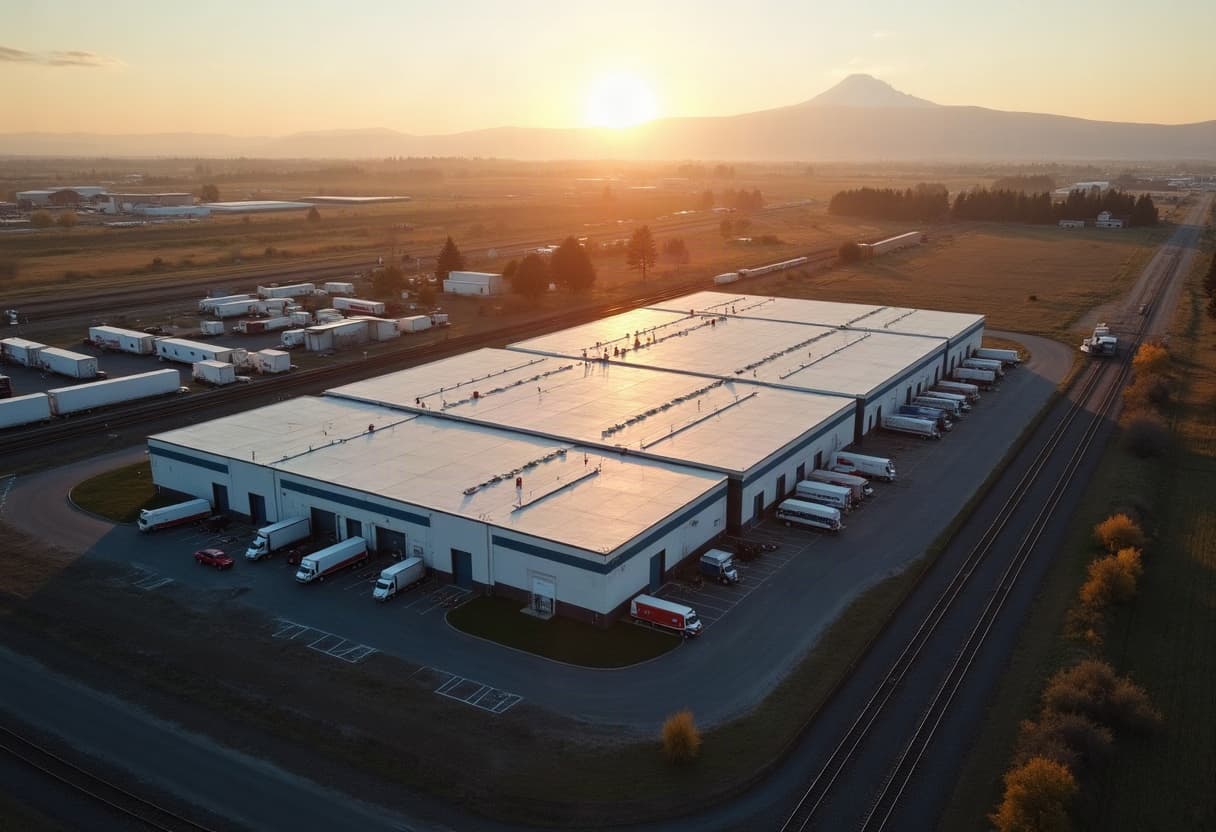
Sumner, Washington does not look like a logistics powerhouse from the street. It is a city of about 10,000 people, built along the Puyallup River valley, with a historic downtown that still has antique shops and a glass museum. But drive through the industrial corridor on the east side of town, and the picture changes — millions of square feet of distribution space, rail spurs branching off the BNSF main line, and drayage trucks rolling between the Port of Tacoma and the Port of Seattle.
Sumner is one of the most important distribution hubs in the Pacific Northwest. This post explains why, what makes it different from Kent (its neighbor six miles to the north), and what shippers should look for when choosing a Sumner distribution center for their freight.
Why Sumner matters for Pacific Northwest distribution
Sumner sits in the Puyallup River Valley, roughly 15 miles from the Port of Seattle and 12 miles from the Port of Tacoma. It has three things that make it a distribution hub:
- Location. Sumner is equidistant from both major Washington ports — closer to Tacoma than Kent is, and closer to Seattle than Tacoma is. A drayage truck from either port reaches a Sumner DC in 30 to 45 minutes off-peak.
- Rail. The BNSF main line runs through Sumner, giving distribution centers direct rail access for inbound freight from the Midwest, California, and the Gulf Coast. Intermodal containers can be transloaded from rail to truck without leaving the facility.
- Warehouse inventory. The Sumner industrial corridor has seen a decade of Class A warehouse development — buildings with 40-foot clear heights, cross-dock configurations, ESFR fire protection, and trailer parking. These are not old cold-storage buildings retrofitted as warehouses. They were built for distribution.
The result is a logistics corridor that handles a significant share of Washington's inbound freight — everything from consumer goods to building materials to food products.
Sumner vs Kent: what is the difference?
Kent and Sumner are both part of the Kent Valley logistics corridor, and the line between them is blurry — a distribution center on the Kent-Sumner border might have a Kent address but serve the same market. But there are differences:
| Factor | Kent | Sumner | |--------|------|--------| | Warehouse inventory | Mix of older and newer space | Predominantly Class A, built in last 10 years | | Distance to Port of Seattle | ~12 miles | ~15 miles | | Distance to Port of Tacoma | ~15 miles | ~12 miles | | Rail access | Limited | Direct BNSF main line access | | Labor pool | Larger (Kent has 130K+ population) | Draws from Puyallup, Auburn, Tacoma | | Building sizes | Mix of mid-size and large | Concentration of 200K+ sq ft facilities |
For most shippers, the choice between a Kent and Sumner distribution center comes down to which facility has the right equipment, the right labor, and the right cost — not which city it is in. The Kent Valley is one continuous logistics market.
What to look for in a Sumner distribution center
Not every warehouse in Sumner is a distribution center. A real distribution center should offer:
- Cross-dock capability. The ability to receive freight on one dock and ship it out another without putting it in storage. This minimizes handling and reduces transit time for time-sensitive freight.
- Transloading. Moving freight from one mode to another — container to pallet, rail to truck, international to domestic. A Sumner DC with transloading capability can handle intermodal freight from the ports without a separate facility.
- Storage options. Rack storage for palletized goods, bulk storage for floor-loaded product, temperature-controlled zones for food and pharmaceuticals. The right DC matches its storage to the shipper's product.
- Inventory tracking. Warehouse management system (WMS) that tracks every pallet from receiving to shipping, with real-time visibility for the shipper. If the DC cannot tell you where your freight is, it is not a distribution center — it is a shed.
- Container unloading. The labor and equipment to unload a 40-foot container — forklifts, pallet jacks, and a crew that can floor-load or palletize. This is the most basic service a port-adjacent DC provides.
- Final-mile delivery. Some Sumner DCs have their own truck fleets; others work with carrier partners. A DC that can handle both storage and delivery keeps the freight under one chain of custody.
Cost factors for Sumner distribution center space
Warehouse space in the Kent Valley — including Sumner — has been among the most competitive markets on the West Coast. Typical cost factors:
- Base rent: $0.60–$1.20 per square foot per month for Class A distribution space, depending on building features and lease terms.
- Handling fees: $15–$40 per pallet for receiving, storage, and shipping, depending on product type and handling complexity.
- Container unloading: $150–$350 per container, depending on whether it is floor-loaded or palletized.
- Cross-dock fee: $25–$50 per pallet for receive-and-ship-same-day without storage.
Shippers should ask for a transparent fee schedule before signing. A warehouse that quotes a low base rate and adds accessorial charges for every touch is not cheaper — it is just more complicated.
How All Season Warehouse serves Sumner shippers
All Season Warehouse operates from the Kent Valley, six miles north of Sumner. We serve Sumner-area shippers with:
- Cross-docking and transloading for port freight
- Food-grade warehousing with allergen segregation and temperature control
- Container unloading for floor-loaded and palletized imports
- Short-term and long-term storage
- Final-mile delivery across the Puget Sound region
Our location puts us in the same logistics corridor as Sumner — same port access, same labor pool, same highway network. If you need warehousing or distribution services in the Sumner area, call us at (253) 825-3500 or request a quote online. See our warehousing and distribution services for the full range of what we handle, or read our Kent Valley logistics hub overview for how the corridor connects Sumner shippers to the ports.
Frequently asked questions
Why is Sumner, WA a major distribution hub?+
Sumner is a major distribution hub because it sits six miles south of Kent and roughly 15 miles from both the Port of Seattle and Port of Tacoma. It has direct rail access via the BNSF main line, interstate access via SR 167 and I-5, and a large inventory of Class A warehouse space built in the last decade. These factors make Sumner one of the most efficient locations in the Pacific Northwest for storing and distributing freight.
How far is Sumner from the Port of Seattle and Port of Tacoma?+
Sumner is approximately 15 miles from the Port of Seattle terminals and 12 miles from the Port of Tacoma terminals. A drayage truck can move a container from either port to a Sumner distribution center in 30 to 45 minutes during off-peak hours and 60 to 90 minutes during peak traffic.
What is the difference between a Sumner distribution center and a Kent warehouse?+
The difference is mainly scale and specialization. Kent has a higher concentration of older warehouse space and smaller distribution operations. Sumner has seen more recent development of large Class A distribution centers — 200,000+ square foot buildings with 40-foot clear heights, cross-dock configurations, and rail access. Both are part of the Kent Valley logistics corridor.
What should shippers look for in a Sumner distribution center?+
Shippers should look for proximity to the ports, cross-dock capability to minimize handling, rack or bulk storage depending on product type, temperature control if needed, security and inventory tracking systems, and a labor force that can handle receiving, picking, and shipping at the volume the shipper requires. Rail access is a bonus for inbound freight from the Midwest or California.
Does All Season Warehouse serve Sumner, WA shippers?+
Yes. All Season Warehouse provides warehousing and distribution services from the Kent Valley, serving Sumner-area shippers with cross-docking, transloading, food-grade storage, container unloading, and final-mile delivery. Our facility is six miles north of Sumner, putting us within the same logistics corridor.