
Finding Small Warehouse Spaces Near You: Local Warehouse Rentals for Efficient Logistics
- Mar 2
- 4 min read
In the dynamic landscape of warehousing and logistics, securing an appropriately sized warehouse space is paramount for operational efficiency. Particularly for businesses operating in the Pacific Northwest, the availability of small warehouse spaces can significantly influence supply chain management and inventory control. The process of finding such spaces requires a strategic approach, considering factors such as location, accessibility, and cost-effectiveness. This article explores the essential aspects of locating small warehouse spaces near you, emphasizing local warehouse rentals that align with business needs.
Understanding the Importance of Local Warehouse Rentals
Local warehouse rentals serve as critical nodes in the logistics network, facilitating the smooth transition of goods from manufacturers to consumers. The proximity of these warehouses to key transportation routes and markets reduces transit times and costs. For businesses in the Pacific Northwest, leveraging local warehouse rentals can enhance responsiveness to market demands and improve inventory turnover rates.
When evaluating local warehouse rentals, several criteria must be considered:
Location Accessibility: Proximity to highways, ports, and rail lines.
Size and Layout: Adequate space to accommodate inventory without excess.
Infrastructure: Availability of loading docks, climate control, and security systems.
Lease Terms: Flexibility in rental agreements to adapt to business growth or contraction.
By prioritizing these factors, businesses can identify warehouse spaces that not only meet immediate storage requirements but also support long-term operational goals.
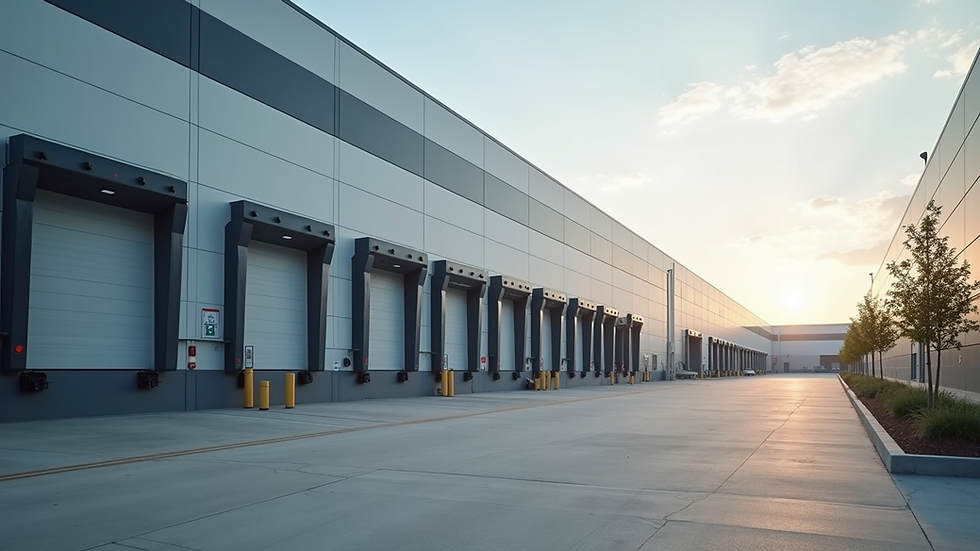
Key Considerations When Searching for Small Warehouse Spaces
The search for small warehouse spaces necessitates a methodical approach to ensure alignment with logistical demands. Several practical considerations should guide this process:
Define Storage Needs Precisely: Assess the volume and type of goods to be stored. This assessment informs the required square footage and any special storage conditions.
Evaluate Accessibility for Transportation: Ensure the warehouse is accessible for delivery trucks and freight carriers, minimizing delays.
Inspect Facility Amenities: Confirm the presence of essential features such as pallet racking, forklifts, and security surveillance.
Analyze Cost Implications: Compare rental rates, utility costs, and any additional fees to determine overall affordability.
Review Zoning and Compliance: Verify that the warehouse complies with local zoning laws and safety regulations.
Engaging with reputable real estate agents specializing in industrial properties can streamline the search process. Additionally, online platforms listing small warehouse space for rent near me provide accessible options tailored to specific geographic areas.
Can I Rent and Live in a Warehouse?
The question of whether one can rent and live in a warehouse arises frequently, particularly among entrepreneurs seeking unconventional living arrangements. However, warehouses are primarily designated for commercial and industrial use. Residential occupancy is generally prohibited due to zoning restrictions, building codes, and safety concerns.
Warehouses lack essential residential amenities such as proper insulation, plumbing, and fire safety systems required for habitation. Moreover, insurance policies for warehouses typically exclude coverage for residential use. Therefore, while warehouses can be adapted for office or showroom purposes, living in a warehouse is not advisable or legally permissible in most jurisdictions.
Businesses should focus on utilizing warehouse spaces strictly for storage, distribution, and logistical operations to ensure compliance and safety.

Strategies for Securing the Ideal Small Warehouse Space
Securing the ideal small warehouse space involves a combination of research, negotiation, and due diligence. The following strategies can enhance the likelihood of finding a suitable facility:
Leverage Local Networks: Establish connections with local commercial real estate brokers and industry associations.
Utilize Online Listings: Regularly monitor digital platforms that specialize in industrial property rentals.
Conduct Site Visits: Personally inspect potential warehouses to assess condition and suitability.
Negotiate Lease Terms: Seek flexibility in lease duration, renewal options, and rent escalation clauses.
Consider Shared Warehousing: Explore co-warehousing arrangements to reduce costs and increase scalability.
Implementing these strategies ensures that the selected warehouse space aligns with operational requirements and budget constraints.
Optimizing Warehouse Space for Business Efficiency
Once a small warehouse space has been secured, optimizing its use is essential to maximize efficiency. Effective space utilization can be achieved through:
Implementing Inventory Management Systems: Utilize software to track stock levels and locations.
Adopting Vertical Storage Solutions: Employ pallet racking and shelving to increase storage density.
Designing Efficient Layouts: Arrange aisles and storage zones to facilitate smooth material flow.
Ensuring Safety Protocols: Maintain clear signage, proper lighting, and emergency exits.
Regular Maintenance: Schedule routine inspections and repairs to prevent operational disruptions.
These measures contribute to streamlined logistics, reduced handling times, and enhanced overall productivity.
Final Thoughts on Local Warehouse Rentals
The pursuit of small warehouse spaces near one’s business location is a critical component of effective supply chain management. By focusing on local warehouse rentals that offer strategic advantages in terms of location, infrastructure, and cost, businesses in the Pacific Northwest can significantly improve their logistics operations. The careful selection and optimization of warehouse spaces not only support current needs but also provide a foundation for future growth and adaptability.
In this context, partnering with a reliable warehousing provider that understands regional logistics challenges and opportunities is invaluable. Such partnerships facilitate seamless product movement from ship to shelf, ensuring that businesses remain competitive and responsive in a demanding market environment.


Comments