
Consumer Goods Warehousing Seattle
Looking for consumer goods warehousing in Seattle? Learn what to expect from a Kent Valley warehouse storing retail, apparel, and e-commerce inventory — and why location near the Ports matters.
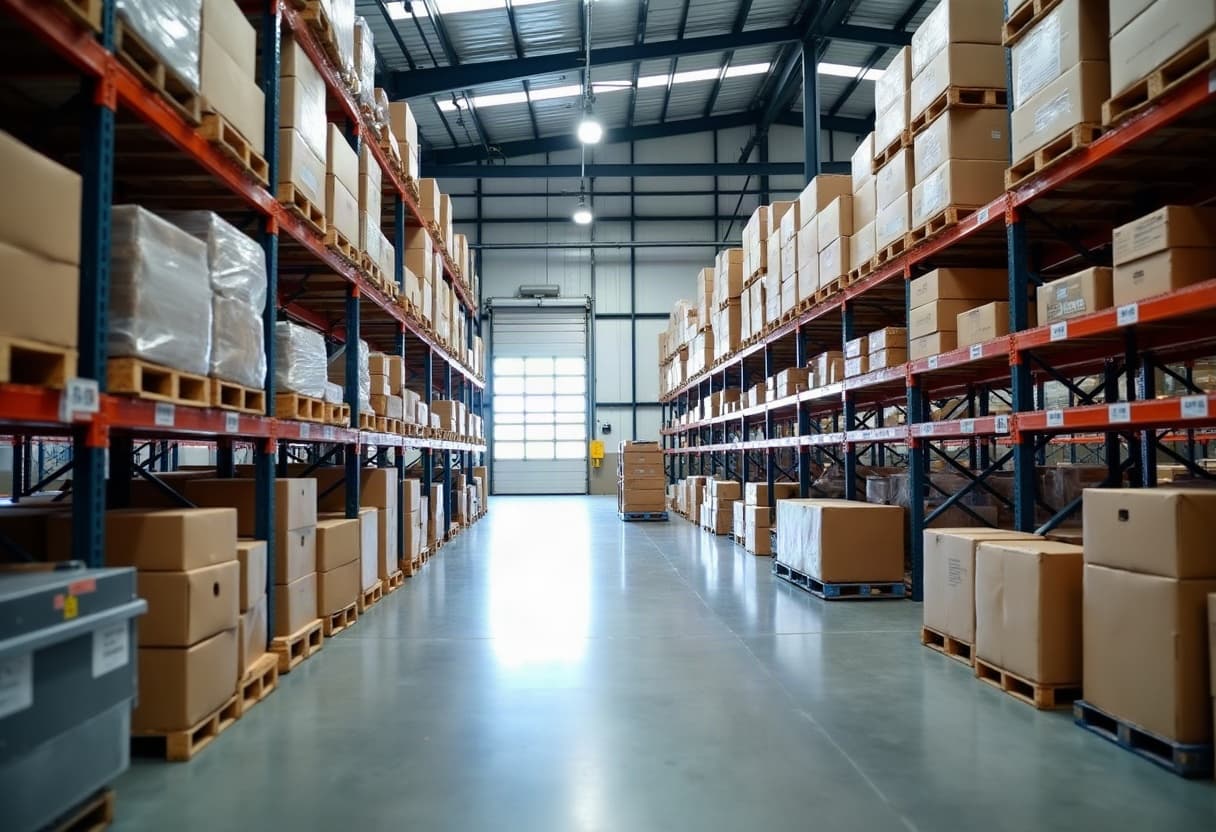
If your business sells products to consumers in the Pacific Northwest — whether you import apparel through the Port of Seattle, run a growing e-commerce brand, or distribute retail merchandise across the region — you need a warehouse that understands consumer goods, not just pallets and freight. "Consumer goods warehousing Seattle" is a search that brings up a lot of generic storage facilities, but not all of them are built for the speed, accuracy, and retail compliance that consumer products demand.
This guide breaks down what consumer goods warehousing actually involves, what to look for when choosing a warehouse in the Seattle metro, and why the Kent Valley has become the default hub for importers and brands distributing across the Pacific Northwest.
What consumer goods warehousing actually means
Consumer goods warehousing is the storage, handling, and distribution of products sold to end consumers. It differs from industrial or bulk commodity warehousing in a few important ways:
- SKU complexity — consumer goods often means hundreds or thousands of individual SKUs (sizes, colors, variants) rather than a handful of bulk products. The warehouse needs computerized inventory control, not just a forklift and a loading dock.
- Speed and accuracy — consumer-facing orders are smaller, more frequent, and time-sensitive. Pick-and-pack accuracy and same-day outbound processing matter more than they do in bulk industrial storage.
- Retail compliance — if you sell to major retailers, you need a warehouse that can send and receive EDI documents (purchase orders, advance ship notices, inventory feeds). A warehouse without EDI is a bottleneck for consumer goods supply chains.
- Product protection — apparel, electronics, and high-value retail goods need clean, secure, climate-appropriate storage. A facility built for steel coils is not the same as one built for branded merchandise.
At All Season Warehouse, the 200,000 sq ft facility in the Kent Valley handles dry goods, apparel and footwear, high-value goods, chilled and frozen product, and industrial cargo — covering the full range of consumer goods categories that importers and brands move through the Puget Sound corridor.
Why the Kent Valley is Seattle's consumer goods warehouse corridor
The Kent Valley — the industrial flatland along I-5 between Seattle and Tacoma — is not an accident of geography. It is the most logical place in the region to warehouse consumer goods, and here is why:
-
Port access. The Kent Valley sits between the Port of Seattle and Port of Tacoma. A drayage truck can move an ocean container from either port to a Kent warehouse in under an hour. For consumer goods importers, that means containers get devanned and returned the same day, avoiding per-diem charges that pile up at marine terminals.
-
Highway connectivity. I-5 runs straight through the valley, connecting to I-405, SR-167, and I-90. Consumer goods distributed from Kent reach Seattle, Tacoma, Bellevue, Everett, and the broader Pacific Northwest within a day's drive.
-
Facility density. The concentration of warehousing in the Kent Valley means drayage carriers, transloading operators, and freight forwarders are all within a few miles of each other. That density shortens supply chain handoffs and reduces the cost of moving goods between partners.
All Season Warehouse is located at 22408 76th Ave S, Suite 200, Kent, WA 98032 — squarely in that corridor, with a 55-truck fleet operated by sister carrier All Season Transport LLC (USDOT 2927850, MC 988260) to move containers from port to warehouse and freight from warehouse to destination.
What to look for in a consumer goods warehouse near Seattle
Not every warehouse that shows up for a "consumer goods warehousing Seattle" search is actually set up for consumer products. Here are the capabilities that matter:
Computerized inventory control with EDI
If you sell to retailers, EDI is non-negotiable. All Season Warehouse runs computerized inventory control with EDI capability, which is the baseline for serving major retail trading partners. Without it, you are manually reconciling purchase orders and ship notices — a recipe for chargebacks and delays.
Container devanning and transloading
Most consumer goods entering the Seattle metro arrive in ocean containers. Your warehouse needs to receive those containers, unload them (a process called devanning), and either store the goods or transload them directly into domestic trailers. All Season Warehouse handles container devanning and reloading as part of its transloading and cross-dock service — learn more in the transloading and cross-dock service overview or the transloading services guide.
Flexible storage terms
Consumer goods inventory is seasonal. You need overflow capacity during peak import seasons and the ability to scale down when inventory thins. The facility offers short- and long-term storage across public, contract, and commercial arrangements — see the warehousing and distribution service page for details, or the short-term warehouse storage guide for how overflow storage works in practice.
Clean, secure, multi-class handling
Apparel, footwear, and high-value consumer goods need a facility that is clean, organized, and secure. All Season Warehouse handles dry goods alongside apparel and footwear and high-value goods — the cargo classes are defined in the site's service configuration, and the 200,000 sq ft space is laid out for organized multi-client storage rather than bulk commodity stacking.
How consumer goods flow through a Kent Valley warehouse
A typical consumer goods import cycle through All Season Warehouse looks like this:
- Container arrives at port. An ocean container lands at the Port of Seattle or Port of Tacoma carrying apparel, electronics, home goods, or retail merchandise.
- Drayage to Kent. A drayage truck from the 55-truck fleet hauls the container to the Kent Valley facility — typically under an hour from either port.
- Devanning. The warehouse team unloads the container, sorts the cargo by SKU, and stages it for storage or onward distribution.
- Storage. Goods are put away in the 200,000 sq ft facility under computerized inventory control, with EDI feeds keeping retail partners and e-commerce systems in sync.
- Outbound. Orders pull from inventory and ship via domestic trailer, parcel, or final-mile delivery — depending on whether the destination is a retailer distribution center, a direct-to-consumer order, or a regional wholesale account.
The entire cycle — port to warehouse to outbound — can happen within the same day for cross-dock shipments, or across weeks for goods held in storage between import and selling seasons.
Frequently Asked Questions
What is consumer goods warehousing?
Consumer goods warehousing is storage and distribution services built specifically for products sold to end consumers — apparel, electronics, home goods, e-commerce inventory, and retail merchandise. It includes receiving, inventory tracking, pick-and-pack, and outbound shipping, often with EDI connectivity for retail partners.
Where is All Season Warehouse located relative to Seattle?
All Season Warehouse operates a 200,000 sq ft facility at 22408 76th Ave S, Suite 200, Kent, WA 98032 — roughly 20 minutes south of downtown Seattle in the Kent Valley. The location sits between the Port of Seattle and Port of Tacoma along I-5, giving consumer goods importers same-day access from either port.
What cargo classes does All Season Warehouse handle?
The facility handles dry goods, apparel and footwear, high-value goods, chilled and frozen product, and industrial cargo. Consumer goods categories like apparel, electronics, and retail merchandise fall under the dry and high-value cargo classes handled routinely at the Kent Valley warehouse.
Does the warehouse support EDI and retail compliance?
Yes. All Season Warehouse runs computerized inventory control with EDI capability, which is the standard for consumer goods supply chains serving major retailers. This allows electronic purchase orders, advance ship notices, and inventory synchronization with retail trading partners.
The bottom line
If you searched "consumer goods warehousing Seattle," what you are really looking for is a warehouse that can receive your imported containers, store your retail inventory accurately, keep your retail partners in sync via EDI, and move outbound freight fast — all within a short drive of the ports. The Kent Valley is where that combination exists in the Puget Sound, and All Season Warehouse has been operating in that corridor for over a decade.
To discuss storage for your consumer goods inventory, contact the warehouse at (253) 246-2125 or reach out through the contact page.
Frequently asked questions
What is consumer goods warehousing?+
Consumer goods warehousing is storage and distribution services built specifically for products sold to end consumers — apparel, electronics, home goods, e-commerce inventory, and retail merchandise. It includes receiving, inventory tracking, pick-and-pack, and outbound shipping, often with EDI connectivity for retail partners.
Where is All Season Warehouse located relative to Seattle?+
All Season Warehouse operates a 200,000 sq ft facility at 22408 76th Ave S, Suite 200, Kent, WA 98032 — roughly 20 minutes south of downtown Seattle in the Kent Valley. The location sits between the Port of Seattle and Port of Tacoma along I-5, giving consumer goods importers same-day access from either port.
What cargo classes does All Season Warehouse handle?+
The facility handles dry goods, apparel and footwear, high-value goods, chilled and frozen product, and industrial cargo. Consumer goods categories like apparel, electronics, and retail merchandise fall under the dry and high-value cargo classes handled routinely at the Kent Valley warehouse.
Does the warehouse support EDI and retail compliance?+
Yes. All Season Warehouse runs computerized inventory control with EDI capability, which is the standard for consumer goods supply chains serving major retailers. This allows electronic purchase orders, advance ship notices, and inventory synchronization with retail trading partners.