
Short-Term Warehouse Storage Solution
Short-term warehouse storage gives shippers flexible overflow space without long contracts. Here is how Kent Valley storage works for importers, retailers, and startups moving freight through the Port of Seattle and Port of Tacoma.
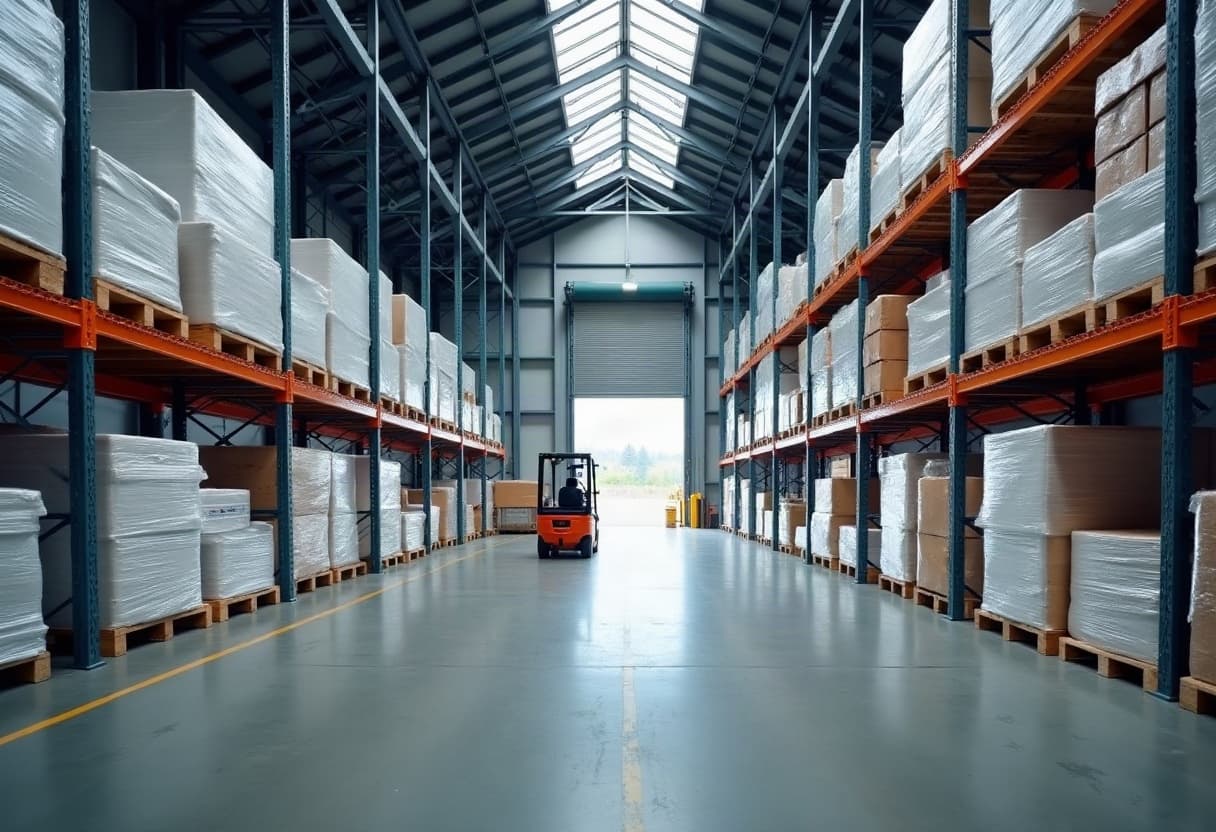
Short-term warehouse storage is the overflow valve for a supply chain. When container volumes spike, a product launch lands early, or seasonal demand outpaces your normal storage capacity, you need a place to park freight for a few weeks or a few months — not a multi-year lease on space you will not need by the next quarter.
This guide explains how short-term warehouse storage works, who it is built for, and what to look for when you choose a facility in the Pacific Northwest.
What short-term warehouse storage actually is
Short-term storage is warehouse space rented for a limited window — typically under three months — without a long-term contract. The point is flexibility. You bring pallets in, hold them, and pull them back out when your downstream demand catches up. There is no buildout, no lease negotiation, and no commitment past the storage period you actually need.
This is different from long-term storage, where you lease dedicated square footage for a year or more and pay for it whether you use the space or not. Short-term storage is capacity on demand. You pay for the pallets or the footprint you occupy, for the time you occupy it, and you scale up or down as your inventory moves.
At All Season Warehouse, short-term storage is built specifically for smaller businesses and startups that need overflow space. If you are an importer whose container arrived a week before your customer is ready for it, or a retailer with a seasonal spike you cannot fit in your back room, short-term storage is the tool that keeps freight moving instead of sitting at the port accruing demurrage.
Who uses short-term storage
Short-term warehouse storage serves a narrow but important set of use cases:
- Importers with ocean containers staged at the Port of Seattle or Port of Tacoma. You devan the container, palletize the contents, and store them until your distribution schedule catches up.
- E-commerce sellers with seasonal peaks. Inventory that arrives ahead of a holiday or promotion sits in short-term storage until orders start flowing.
- Startups without a warehouse. If you are not ready to sign a lease, short-term storage gives you a place to hold product while you build your order volume.
- Retailers rebalancing inventory. Store overstock at a 3PL warehouse and pull it back as stores sell through.
- Shippers between inbound and outbound legs. Hold freight at the warehouse, then cross-dock or transload it onto the next outbound truck or container.
The common thread is that none of these use cases need permanent space. They need capacity for a defined window, and then they need that capacity to go away.
Why location matters for short-term storage
With short-term storage, you are usually moving freight in and out within weeks, not years. That makes every drayage mile count. The longer the drive from the port to the warehouse, the more you pay in trucking and the longer your goods sit in transit instead of sitting on a pallet ready to ship.
All Season Warehouse is in the Kent Valley, roughly 15 miles from the Port of Seattle and 12 miles from the Port of Tacoma, with direct access to I-5 and SR 167. That location means a container can come off the port, get drayed to the warehouse, and be devanned and palletized in the same day. When you are ready to pull product back out, the same highway access gets it onto an outbound truck fast.
A warehouse 40 or 50 miles from the ports doubles the drayage time and cost on every move. For short-term storage, where the whole point is speed and flexibility, that distance penalty defeats the purpose.
Services that pair with short-term storage
Short-term storage on its own is just space. The value comes when it is paired with the handling services that move freight in and out of storage efficiently. At All Season Warehouse, short-term storage works alongside:
- Container unloading and palletizing — strip an ocean container, palletize the contents, and put them into storage in one step.
- Cross-docking — move freight from an inbound truck directly to an outbound truck with minimal storage time, for high-velocity product.
- Transloading — transfer freight between transportation modes, such as rail to truck or ocean container to truck.
- 3PL distribution — let the warehouse handle receiving, inventory tracking, and outbound shipping while your goods are in storage.
If you only need a place to hold pallets for six weeks, plain storage is enough. If you need freight received, stored, and then shipped back out as orders come in, you want a 3PL that can run the whole flow under one roof. Read more about our warehouse services or see how warehousing and storage in Kent, WA fits together.
What to ask before you book short-term storage
Before you commit pallets to any short-term storage facility, ask:
- What is the minimum storage period? Some warehouses will not take freight for less than a month. Make sure the minimum matches your actual window.
- How is storage billed? Per pallet, per square foot, per unit? Ask for the rate card and confirm there are no hidden handling fees.
- Is there a maximum storage period? Short-term storage is typically capped under three months. If you need longer, ask about long-term storage terms.
- What inventory visibility do I get? You should be able to check where your pallets are without calling someone to go look.
- Can the warehouse handle my next move? If you will need cross-docking, transloading, or outbound shipping later, confirm the facility offers those services so you do not have to move freight twice.
Short-term storage in the Kent Valley
All Season Warehouse operates from the Kent Valley, between Seattle and Tacoma, with short-term storage built for shippers that need overflow capacity without a long-term commitment. Whether you are staging import containers, holding seasonal inventory, or bridging a gap between inbound and outbound freight, short-term storage gives you a place to put pallets for a defined window and pull them back out when your demand catches up.
If you are moving freight through the Port of Seattle or Port of Tacoma and need flexible storage, contact All Season Warehouse to discuss your pallet count and storage window. You can also learn more about the Kent Valley logistics corridor and how location shapes drayage cost.
Frequently asked questions
What is short-term warehouse storage and how long can I keep goods there?+
Short-term warehouse storage is flexible overflow space rented for periods under three months. It is designed for shippers who need temporary capacity — seasonal surges, container devanning before onward shipping, inventory between launches, or a one-time project load — without committing to a long-term contract. At All Season Warehouse, short-term storage serves smaller businesses and startups that need overflow space but are not ready to lease a full warehouse.
Who uses short-term warehouse storage in the Pacific Northwest?+
Importers bringing ocean containers through the Port of Seattle or Port of Tacoma, e-commerce sellers with seasonal peaks, retailers rebalancing inventory, and startups without their own warehouse use short-term storage. It is also useful for shippers that need to stage freight near a port before drayage back out, or hold product between inbound container arrivals and outbound customer orders.
How does Kent Valley location help with short-term storage?+
All Season Warehouse is in the Kent Valley, roughly 15 miles from the Port of Seattle and 12 miles from the Port of Tacoma, with direct access to I-5 and SR 167. That proximity shortens container drayage from the ports to the warehouse and back, which cuts drayage cost and gives you faster access to your goods when you need to pull them out on short notice.
Can short-term storage be combined with other warehouse services?+
Yes. Short-term storage pairs with container unloading, cross-docking, transloading, and 3PL distribution. You can devan an ocean container, palletize the contents, store them short-term, and then cross-dock or ship them out as orders come in — all from the same Kent Valley facility.