
Warehouse Space: Kent Valley Storage for PNW Shippers
Warehouse space is the physical storage capacity a 3PL provides for your inventory. Learn how Kent Valley warehouse space works, what to look for, and why location near the ports cuts your drayage costs.
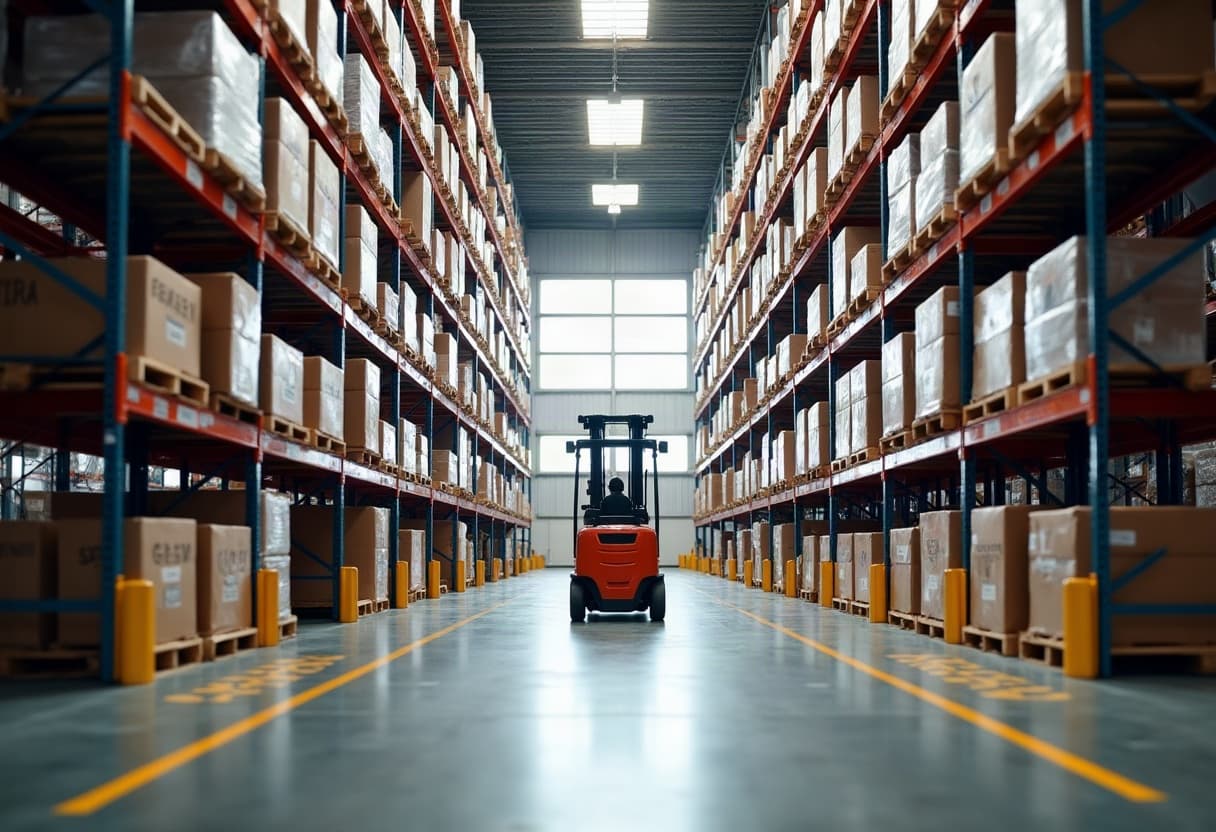
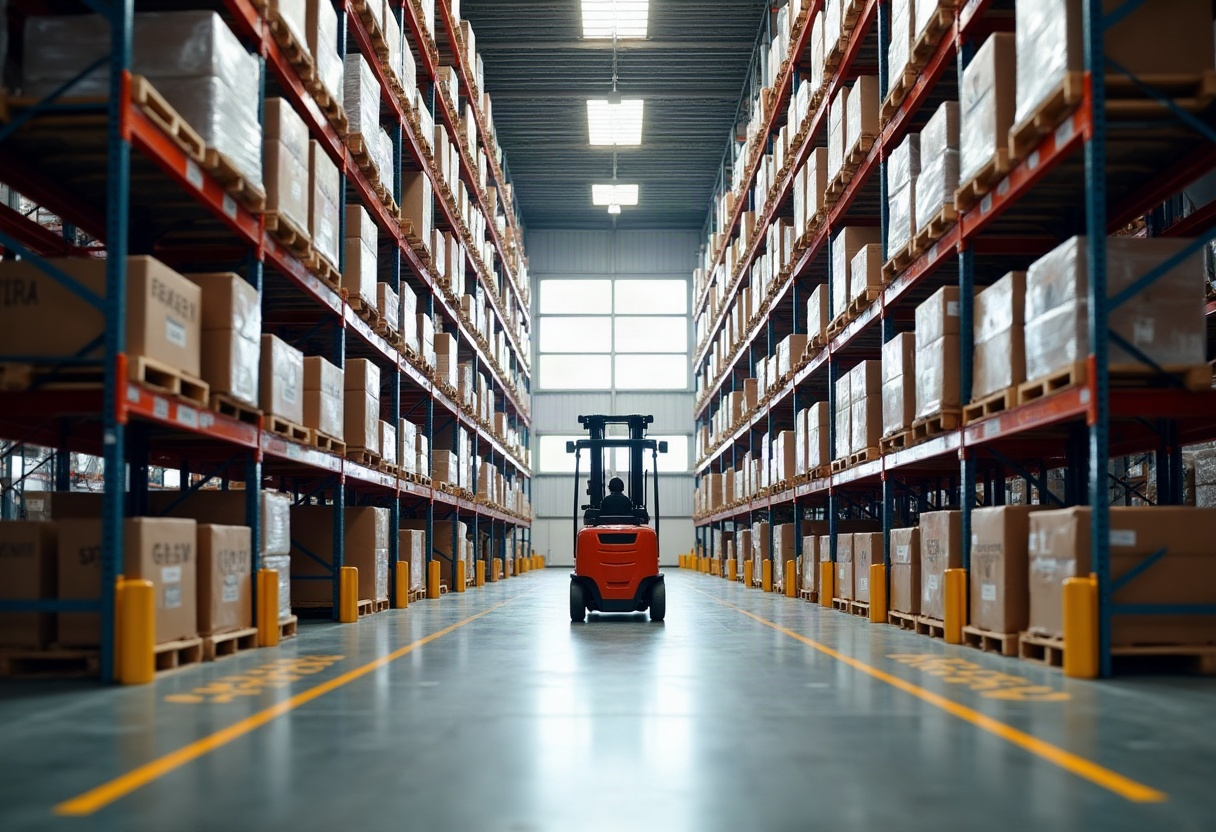
Warehouse space is the most fundamental unit of logistics. Before a single pallet gets cross-docked, before an order gets picked and packed, before a container gets transloaded — that freight needs a place to sit. Warehouse space is that place: the square footage, the racking, the dock doors, the security, and the inventory systems that hold your goods between the moment they arrive and the moment they ship out.
For Pacific Northwest shippers, where that space sits on the map determines your drayage costs, your transit times, and your ability to scale during peak season. The Kent Valley has become the region's primary warehousing corridor for one reason: it is close to the ports.
What Warehouse Space Actually Includes
When a 3PL provider quotes you warehouse space, you are not just renting empty floor area. A functional warehouse space package includes:
- Dock access — Loading docks with levelers for trailers and containers. The number of docks determines how many trucks can be received and loaded simultaneously.
- Racking systems — Selective pallet racking, drive-in racking, or push-back racking that allows pallets to be stored vertically, multiplying the effective storage capacity of each square foot.
- Security infrastructure — Fenced yards, surveillance cameras, access-controlled doors, and after-hours monitoring. Your goods need to be as secure at 2 AM as they are at 2 PM.
- Inventory tracking — Warehouse management systems (WMS) that track every pallet by SKU, location code, and receipt date. A warehouse that cannot tell you where your goods are is not providing space — it is providing risk.
- Material handling equipment — Forklifts, pallet jacks, and reach trucks operated by trained warehouse staff who can unload containers, move pallets to racking, and pick orders.
All Season Warehouse provides all of the above from our Kent Valley facility, where inventory storage, cross-docking, and fulfillment operations share the same dock infrastructure.
How Warehouse Space Is Priced
Warehouse space pricing varies based on the service model:
Floor space rental (per square foot per month): The simplest model. You rent a defined area of warehouse floor and manage your own inventory. Pricing depends on location, ceiling height, and dock access.
Pallet position pricing (per pallet per month): You pay for each pallet position in racking. This model is common for 3PL warehouses that handle your goods for you. Pricing includes receiving, putaway, and basic inventory tracking.
Fulfillment pricing (per order plus storage): A bundled model where the warehouse stores your inventory and picks, packs, and ships orders on your behalf. Storage fees are lower per pallet, but you pay a per-order fulfillment fee.
Short-term vs. long-term: Short-term warehouse storage handles seasonal surges, temporary overflow, or container unloading without a long commitment. Long-term storage provides dedicated space at a lower rate for ongoing inventory. All Season Warehouse offers both — learn more in our short-term storage guide.
Why Kent Valley Warehouse Space Wins for PNW Shippers
The Kent Valley — the industrial corridor along SR 167 from Tukwila through Kent, Auburn, and Sumner — has become the Inland Empire of the Pacific Northwest. Major retailers, third-party logistics providers, and distribution centers cluster here for three reasons:
-
Port proximity: The Port of Seattle is roughly 15 miles north. The Port of Tacoma is roughly 12 miles south. A container leaving Terminal 46 in Seattle can reach a Kent Valley warehouse in 20-30 minutes. The same container going to a warehouse in Pierce County or Snohomish County faces a 60-90 minute drayage each way.
-
Highway access: Kent sits at the junction of I-5 (the north-south interstate running from the Canadian border to Southern California) and SR 167 (the valley corridor connecting to I-405 and the Eastside). A truck leaving a Kent warehouse can reach Seattle, Tacoma, Auburn, Renton, or Bellevue in under 45 minutes.
-
Labor pool: The Kent Valley has a concentrated workforce of warehouse operators, forklift drivers, and logistics coordinators. Warehouses in remote locations struggle with staffing; Kent Valley warehouses do not.
How to Choose Warehouse Space for Your Freight
When evaluating warehouse space in the Kent Valley, ask:
- What is the dock-to-rack ratio? A warehouse with 20 dock doors but racking for only 500 pallets will bottleneck on receiving. Match the dock capacity to your inbound volume.
- Do you handle container unloading? If your freight arrives in ocean containers, the warehouse needs to unload full containers — also called devanning. See our container unloading services for what this involves.
- Is climate-controlled space available? Electronics, food products, and pharmaceuticals require temperature and humidity control. Not every warehouse offers this.
- Can you scale during peak season? If your volume doubles in November, the warehouse needs adjacent space to accommodate the surge. A facility at capacity in September cannot help you in December.
- What is the security standard? Look for fenced yards, camera coverage, and access logs. The facility should track who enters and exits at all hours.
Warehouse Space vs. Warehouse Services
Warehouse space is the physical capacity. Warehouse services are what happens inside that space. A 3PL warehouse like All Season Warehouse provides both:
- Inventory storage — Short-term and long-term storage in racking systems with WMS tracking. Read our pallet storage guide for how palletized freight gets handled.
- Order fulfillment — Receiving, picking, packing, and shipping for e-commerce and retail clients.
- Cross-docking and distribution — Direct transfer from inbound to outbound trucks to bypass storage entirely. See our cross-docking guide for how this works.
- Climate-controlled storage — Temperature and humidity-regulated environments for sensitive goods.
- Value-added services — Labeling, kitting, quality control inspections, and returns management.
Getting Warehouse Space in the Kent Valley
For shippers who need warehouse space near the Port of Seattle and Port of Tacoma, All Season Warehouse operates from the Kent Valley distribution corridor. Our facility handles container receiving, pallet storage, cross-docking, transloading, and order fulfillment for businesses moving freight through the PNW.
Whether you need 20 pallet positions for a month or a dedicated fulfillment operation year-round, the location, infrastructure, and labor pool of the Kent Valley give you a logistics advantage that warehouses in outlying areas cannot match. Contact All Season Warehouse to discuss your storage requirements and get a configuration that fits your freight.
Frequently asked questions
What is warehouse space?+
Warehouse space is the physical storage capacity a warehouse or 3PL provider makes available to a shipper for storing inventory, pallets, containers, or equipment. It is measured in square feet or pallet positions and can be rented short-term or long-term. Warehouse space typically includes dock access, racking systems, security, and inventory tracking infrastructure.
How much warehouse space do I need?+
Warehouse space requirements depend on your product volume, pallet dimensions, turnover rate, and whether you need value-added services like cross-docking or fulfillment. A standard pallet occupies roughly 12 square feet of floor space, but racking systems can stack pallets 3-5 high, multiplying effective capacity. A Kent Valley 3PL like All Season Warehouse can assess your volume and recommend a storage configuration that fits.
Why is Kent Valley warehouse space advantageous for PNW shippers?+
Kent Valley sits roughly 15 miles from the Port of Seattle and 12 miles from the Port of Tacoma, with direct access to I-5 and SR 167. Warehouse space in this corridor means your containers move from port terminal to warehouse in 20-30 minutes, cutting drayage costs and reducing the time your freight spends in transit compared to warehouses located 40 or 50 miles from the ports.
Does All Season Warehouse offer warehouse space for short-term and long-term storage?+
Yes. All Season Warehouse provides flexible, scalable, and secure short-term and long-term storage facilities in the Kent Valley. Our services include inventory storage, order fulfillment, cross-docking and distribution, climate-controlled storage, and value-added services like labeling and kitting. We serve shippers moving freight through the Port of Seattle, Port of Tacoma, and the broader PNW region.